


-

Add: HeBei ShengShi HongBang Cellulose Technology CO.,LTD.
-

Email
13180486930@163.com -

CONTACT US
+86 13180486930

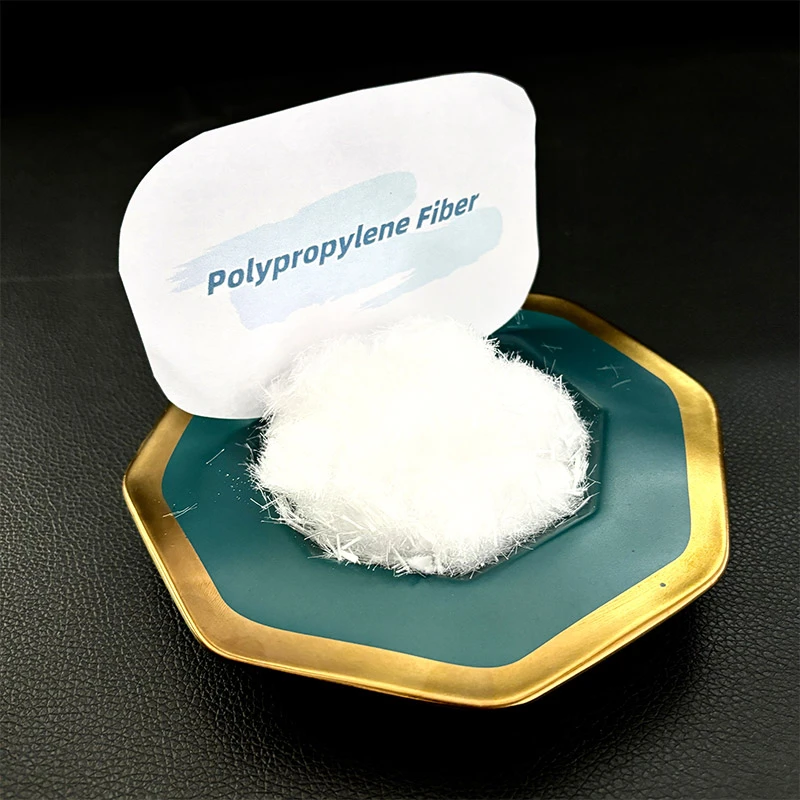



Understanding Polypropylene Fibers for Concrete Slabs Enhancing Durability and Performance In the realm of construction, the search for materials that enhance the durability and overall performance of concrete structures is a constant pursuit. Among various innovative solutions, polypropylene fibers have emerged as an effective reinforcement medium, particularly in the context of concrete slabs or soleras. This article explores the characteristics, benefits, applications, and considerations of using polypropylene fibers in concrete mixtures, shedding light on their significance in modern construction. What are Polypropylene Fibers? Polypropylene fibers are synthetic fibers derived from the polymerization of propylene monomers. These fibers are lightweight, resistant to chemical degradation, and have excellent tensile strength. Due to their inherent properties, they have been increasingly used in various construction applications, particularly as additives in concrete mixes. When integrated into concrete, polypropylenes create a three-dimensional matrix that enhances the material's integrity. Benefits of Using Polypropylene Fibers in Concrete Slabs 1. Reduced Cracking One of the primary advantages of incorporating polypropylene fibers into concrete slabs is the significant reduction in plastic and shrinkage cracking. Concrete is susceptible to cracking as it cures due to temperature variations and drying shrinkage. Polypropylene fibers help to distribute stress more evenly, effectively reducing the likelihood of cracks forming. 2. Improved Impact Resistance The addition of polypropylene fibers enhances the impact resistance of concrete slabs. This is particularly beneficial in applications where heavy loads or foot traffic are expected, such as industrial floors, warehouses, and parking garages. The fibers absorb and dissipate energy during impact, reducing damage and extending the lifespan of the flooring. 3. Enhanced Durability Polypropylene fibers contribute to the long-term durability of concrete. They help to mitigate the adverse effects of environmental factors such as freeze-thaw cycles, moisture penetration, and the corrosive actions of de-icing salts. This is crucial for structures exposed to harsh environmental conditions. 4. Lightweight and Cost-effective Compared to traditional steel reinforcement methods, polypropylene fibers are lightweight and generally more cost-effective . Their ease of incorporation into the mixing process minimizes labor costs and simplifies transportation and handling. 5. Aesthetic Benefits When polypropylene fibers are used in concrete mixtures, they can help provide a more uniform and aesthetically pleasing finish. The fibers can be evenly dispersed throughout the concrete, contributing to a consistent appearance and reducing surface imperfections. fibras de polipropileno para solera Applications in Concrete Construction Polypropylene fibers are versatile and can be used in various concrete applications. Some notable examples include - Industrial Floors In warehouses and factories, durable floors that can withstand heavy machinery and foot traffic are essential. Polypropylene fibers enhance the robustness of these slabs, reducing maintenance costs and downtime due to repairs. - Decorative Concrete In decorative concrete applications, such as stamped or colored concrete, polypropylene fibers can improve the structural integrity while allowing for creative design without compromising strength. - Pavements and Sidewalks The addition of polypropylene fibers to pavements and sidewalks helps to increase their lifespan, reduce maintenance, and improve overall performance against environmental stressors. Considerations for Use While polypropylene fibers offer numerous benefits, several considerations should be taken into account. Proper dosage is crucial; excessive amounts may lead to workability issues during mixing and placement. It is also essential to ensure that the selected fibers are compatible with the specific concrete mix design and any other additives being used. Furthermore, thorough testing should be conducted to understand how polypropylene fibers will interact with the specific conditions of the intended application, including environmental exposure and load requirements. Collaborating with concrete specialists can help optimize the use of polypropylene fibers for desired outcomes. Conclusion In conclusion, the integration of polypropylene fibers in concrete slabs presents a myriad of benefits that enhance performance, durability, and aesthetic appeal. As construction continues to evolve, the adoption of such innovative materials will be paramount in meeting the demands of modern infrastructure. With ongoing research and development, polypropylene fibers stand to play a significant role in improving concrete technology, ensuring stronger, more resilient structures for the future. Embracing these advancements not only promotes economic efficiency but also plays a vital role in sustainable building practices.
- 40000tons

Production
- 20+years

Experience
- 5000+㎡

Acreage

-
Rubber powder coating has quietly risen to prominence in the coating industry, capturing the interest of manufacturers and DIY enthusiasts alike. Its increasing popularity stems from its remarkable ability to provide a durable, protective layer with a unique set of properties that traditional coatings fail to offer. This article delves into the technicalities, benefits, and applications of rubber powder coating, shedding light on why it’s becoming a go-to choice in diverse sectors. Rubber powder coating combines the resilient and flexible properties of rubber with the robustness of a powder coat . Unlike liquid coatings which rely on solvents and VOCs (volatile organic compounds), rubber powder coatings are applied in a dry powder form and cured under heat or with ultraviolet light, allowing for a safer and more environmentally friendly process. This method not only reduces harmful emissions but also minimizes waste, which is an attractive advantage in today’s environmentally conscious market. From an expert's perspective, one of the standout features of rubber powder coating is its elasticity. This means that the coating is capable of expanding and contracting without cracking, making it particularly beneficial in environments subject to extreme temperature variations or mechanical stresses. The elastic nature ensures a continuous and protective barrier even when the substrate underneath is in constant motion. In terms of applications, rubber powder coating is incredibly versatile. It finds use in automotive and marine industries where its resistance to abrasion and corrosion is highly valued. The coating effectively protects metal surfaces from rust and pitting, extending the lifespan of components like vehicle underbodies and marine hardware. Moreover, the construction industry utilizes rubber powder coatings for tools and equipment that face wear and tear, leveraging its anti-slip properties to enhance safety. The application process of rubber powder coating further contributes to its growing popularity. It can be applied at varying thicknesses to suit different performance needs without compromising on quality. Lower thicknesses are optimal for projects requiring finesse, while higher builds offer superior protection for heavy-duty applications. This flexibility allows businesses to tailor their approach based on specific requirements, optimizing both performance and cost-efficiency. rubber powder coating Adding to its list of advantages, rubber powder coatings are available in a multitude of colors and finishes, which widens its appeal for aesthetic applications. From homeware to consumer electronics, its potential to offer both protection and style makes it a preferred choice among manufacturers looking to innovate product design without sacrificing quality. In reinforcing trustworthiness, manufacturers and applicators of rubber powder coatings emphasize rigorous quality control standards and thorough testing to ensure each batch meets stringent performance criteria. Customers are assured of receiving reliable and consistent products that meet or exceed industry standards. Furthermore, adherence to environmental regulations and sustainable practices in production processes bolsters the credibility and authority of companies in this market. Finally, the ease of maintenance associated with rubber powder coatings cannot be overlooked. Its seamless finish makes it resistant to dirt and contaminants, and should cleaning be necessary, the surface can be easily wiped down with minimal risk of damage. This attribute is particularly appealing in high-traffic areas or environments where hygiene is paramount. In essence, rubber powder coating represents a fusion of innovation and practicality. Its amalgamation of elasticity, environmental compatibility, and customization potential positions it as the future of protective coatings. By integrating these features, industries stand to not only enhance product longevity and performance but also align with the growing trend towards sustainable solutions. As the market evolves, the role of rubber powder coating will undoubtedly expand, paving the way for further innovations that meet the demands of tomorrow’s challenges.
-
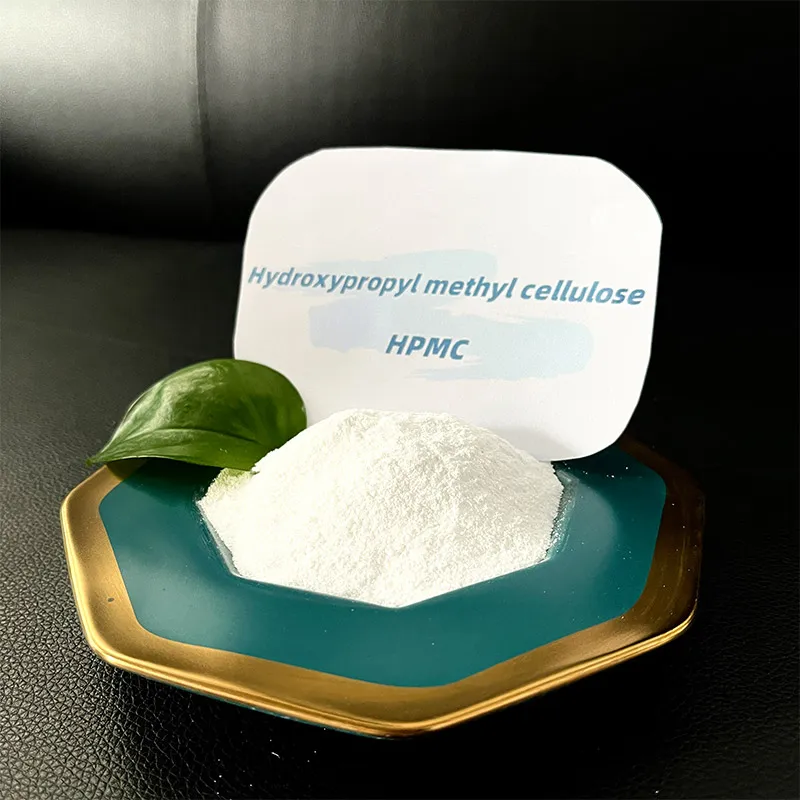
Hydroxypropyl methyl cellulose (HPMC) is a synthetic polymer used across varied industries, including pharmaceuticals, food, and cosmetics, due to its versatile properties. Despite its widespread usage, understanding the side effects associated with HPMC is crucial, especially for individuals with specific health considerations or allergies. As a dietary supplement and pharmaceutical excipient, HPMC is generally recognized as safe (GRAS) by health authorities such as the FDA. However, users may sometimes report mild side effects. From an experiential perspective, individuals with sensitive digestive systems have noted bloating or mild abdominal discomfort when consuming products containing HPMC, especially in higher doses. This usually occurs because HPMC changes the viscosity in the gastrointestinal tract, potentially affecting the natural digestive process. In terms of expert analysis, HPMC is non-toxic and allergen-free according to numerous studies published in pharmaceutical journals. Research shows that adverse reactions are rare and mostly associated with hypersensitive individuals or those with specific conditions like irritable bowel syndrome (IBS). These occurrences underline the importance of consulting healthcare professionals before introducing any new supplement containing HPMC, particularly for people with pre-existing digestive issues. Authoritative sources, including the European Medicines Agency (EMA) and World Health Organization (WHO), have acknowledged the safety profile of HPMC. However, fact-based reporting emphasizes the need for manufacturers to maintain transparency through labeling, enabling consumers to make informed decisions based on potential allergies or sensitivities. This practice not only enhances consumer trust but also aligns with global regulatory standards. hydroxypropyl methyl cellulose side effects Trustworthiness is bolstered by real-world studies and user testimonials. Regular consumers of products with HPMC, such as targeted fiber supplements, have reported positive experiences, particularly in cases where HPMC functions as a bulking agent that aids in bowel regularity. Nevertheless, for those with an allergic disposition, even minimal exposure could potentially lead to contact dermatitis or other allergic responses when used in topical products. It's crucial to underline that while HPMC itself is chemically inert and stable, combining it with other inactive materials in pharmaceuticals or foods could alter its effect in specific contexts. Such interactions underscore the importance of producing and consuming products within the recommended dosage guidelines provided by health professionals. In conclusion, the side effects of hydroxypropyl methyl cellulose are minimal and largely limited to individual sensitivity . Adherence to prescribed formulations and a clear understanding of one's health conditions facilitate the safe use of HPMC in various applications. For businesses and consumers alike, staying informed about the latest research and ensuring transparent communication regarding product ingredients serve as pivotal steps in maximizing the benefits and minimizing potential drawbacks associated with HPMC usage. This strategic approach ensures ongoing consumer confidence and product integrity, aligning well with contemporary health-conscious trends.
advantages
-

200000 Viscosities
Excellent product
We can produce pure products up to 200,000 viscosities
-

40000 tons
High yield
We don’t stop production all year round, and the annual output can reach 40,000 tons
-

24 hours
Quality service
We provide 24-hours online reception service, welcome to consult at any time
———— Inquiry Form
Schedule A services
-
 hpmc_capsules_uses
Oct . 25, 2025
Redispergable Latex Powder An Innovative Solution in the Coating Industry In recent years, the deman -
 matumizi_ya_hydroxypropyl_methylcellulose
Oct . 25, 2025
The Impact of Polypropylene Fiber on Concrete Concrete is a widely used construction material, essen - hydroxypropyl_starch_phosphate_in_skin_care
Oct . 25, 2025
HPMC Monograph Your Comprehensive Guide to Understanding Hydroxypropyl Methylcellulose in Product Fo


